Happenings Along Peavine Creek

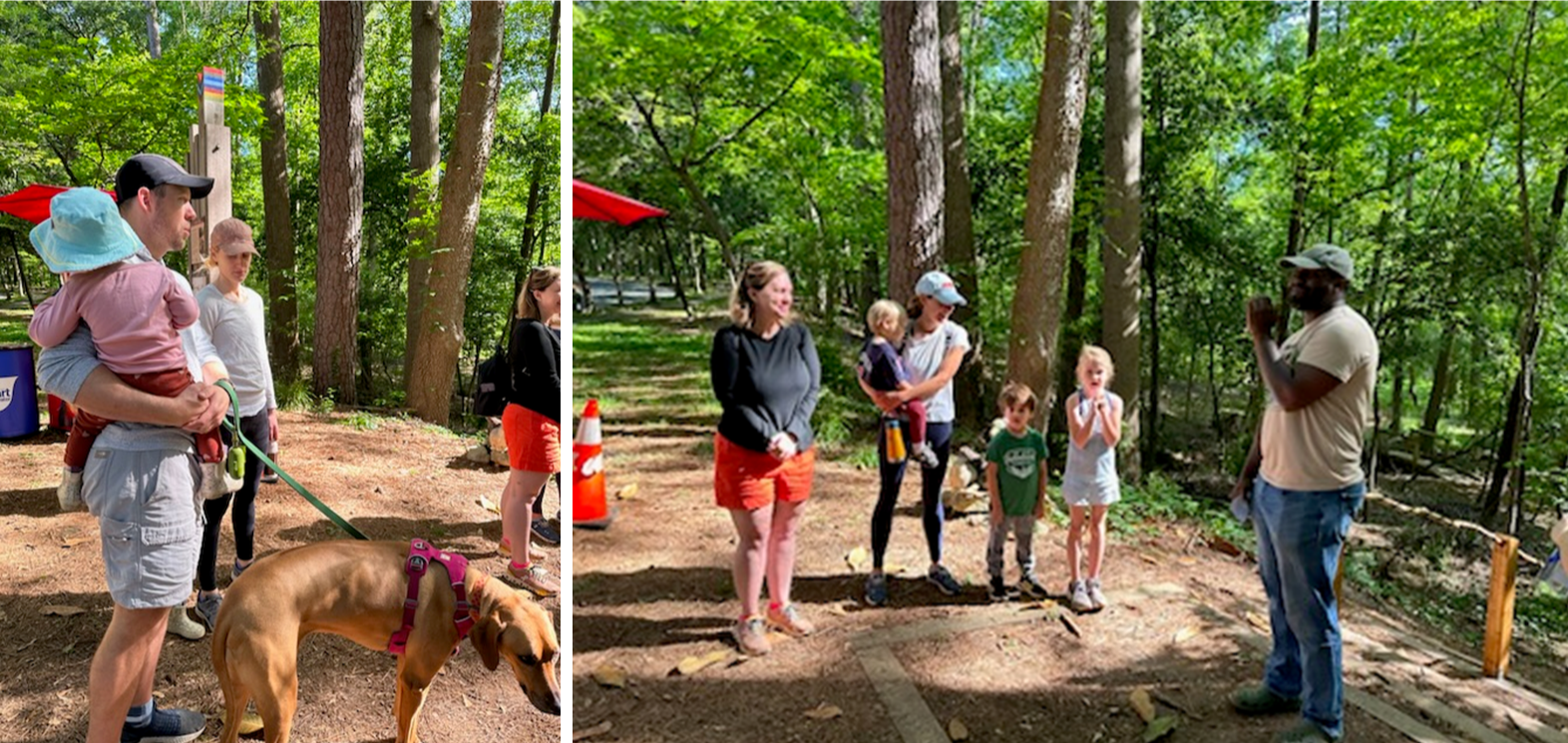
On a beautiful spring morning at the end of April, children and adults gathered at the Peavine Creek trailhead on Emory Road to listen to educator and birder Josiah Patrick describe the life of a hummingbird. Josiah shimmied to show how hummingbirds flap their wings and told how females build nests the size of walnuts in the limbs of trees. Did you know that the hummingbirds lay two eggs in this tiny nest twice in a season?   

Josiah then led the group to the raingarden, calling out the names of birds everyone heard and describing habits of birds playing in the creek. 
 
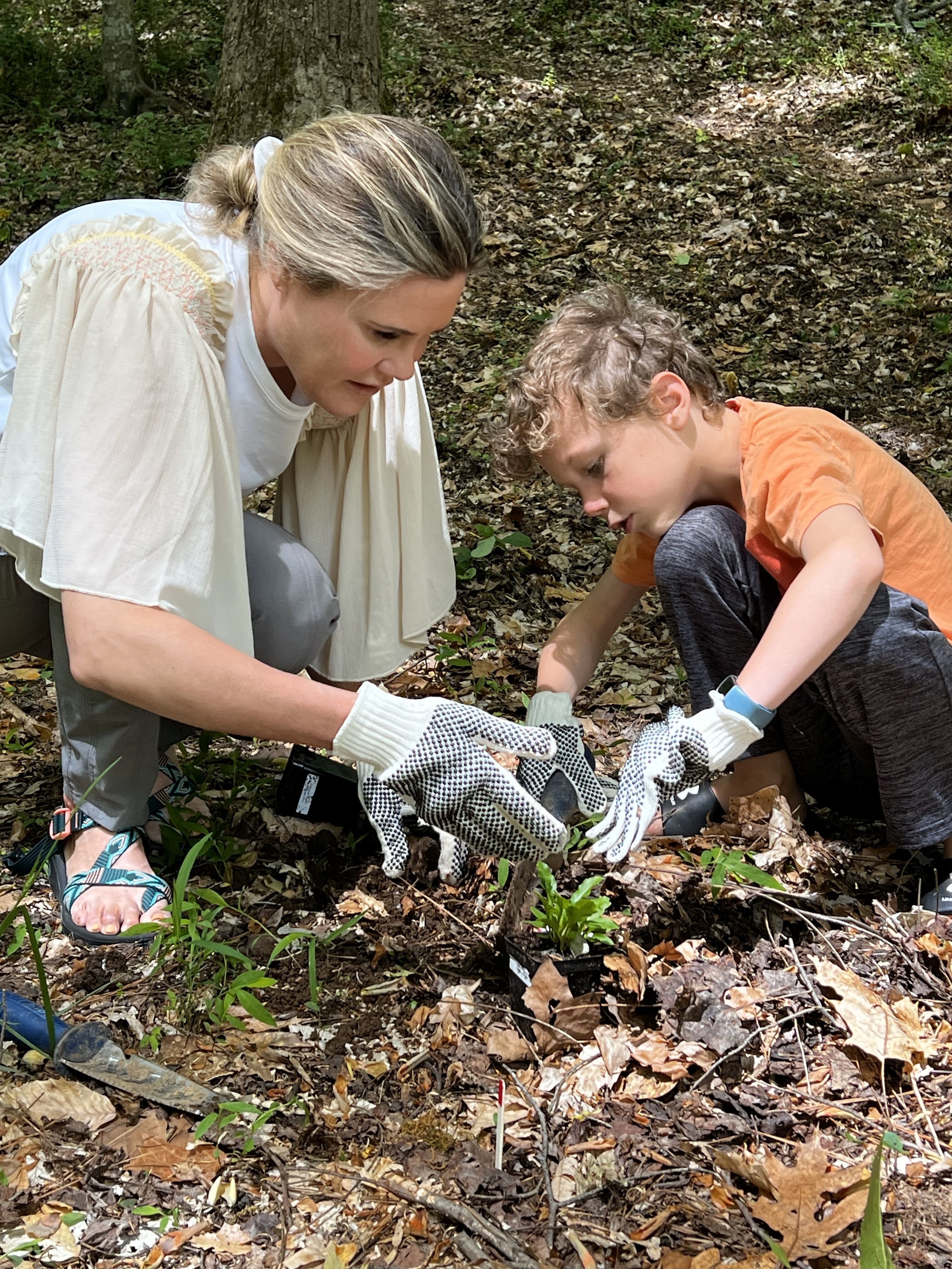
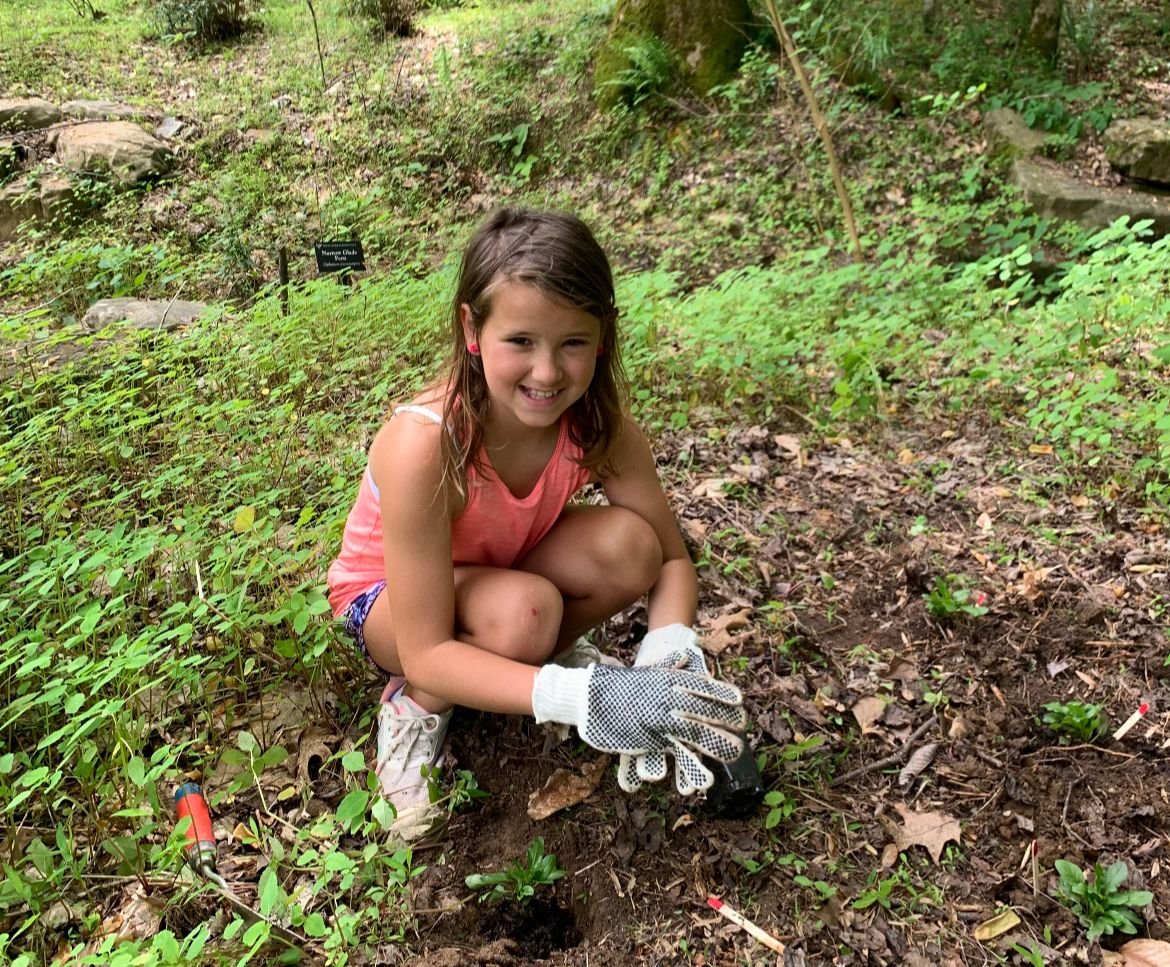
Once a group arrived at the raingarden, Becca Raciborski and John Watson with the Friends of Peavine Creek were waiting with native plants that hummingbirds would feast on. With trowels in hand, children dug holes and planted cardinal plants, native violets, and lobelia. These plants provide food for hummingbirds.  Look for them along the trail as they start to bloom.
 
The children’s planting activity was part of the Druid Hills Tour of Homes. In addition to children learning about hummingbirds, visitors had the opportunity to walk the trails on Friday and Saturday and talk to members of the South Fork Conservancy about the creek and its trails. 
 
Comments of visitors ranged from “I never knew this was here” to “This is in my neighborhood. I love this trail.” How special to have neighbors discover and explore the beauty of the creek and trail during the tour!
 
In addition to having a station on the Druid Hills Home Tour, South Fork Conservancy took part in activities during the week-long celebration of Druid Hills. On Earth Day in Emory Village, South Fork’s work was highlighted during the Clean up the Creek Concert headlined by Michelle Malone and Canyonland.

Proceeds from the event will go to the revitalization of the section of Peavine Creek that runs through Emory Village.  Watch for changes as the South Fork Conservancy stabilizes and revitalizes the banks of the creek in the months to come.
Chopping Rocks

By Sally Sears
 
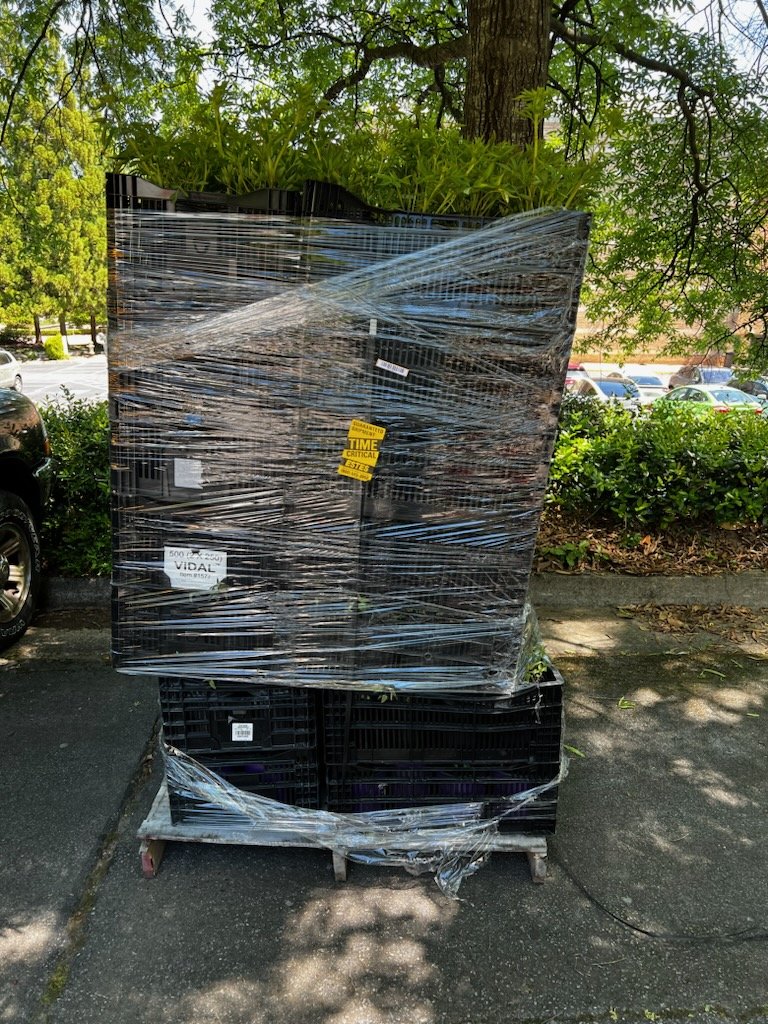
The truck heading for Atlanta was late. Two pallets stacked and shrink wrapped bore South Fork Conservancy’s future landscape for the Peachtree Creek headwaters near Lindbergh Drive and Piedmont Road.

I thought of the fragile plants inside, $10,000 worth, and cringed.
 
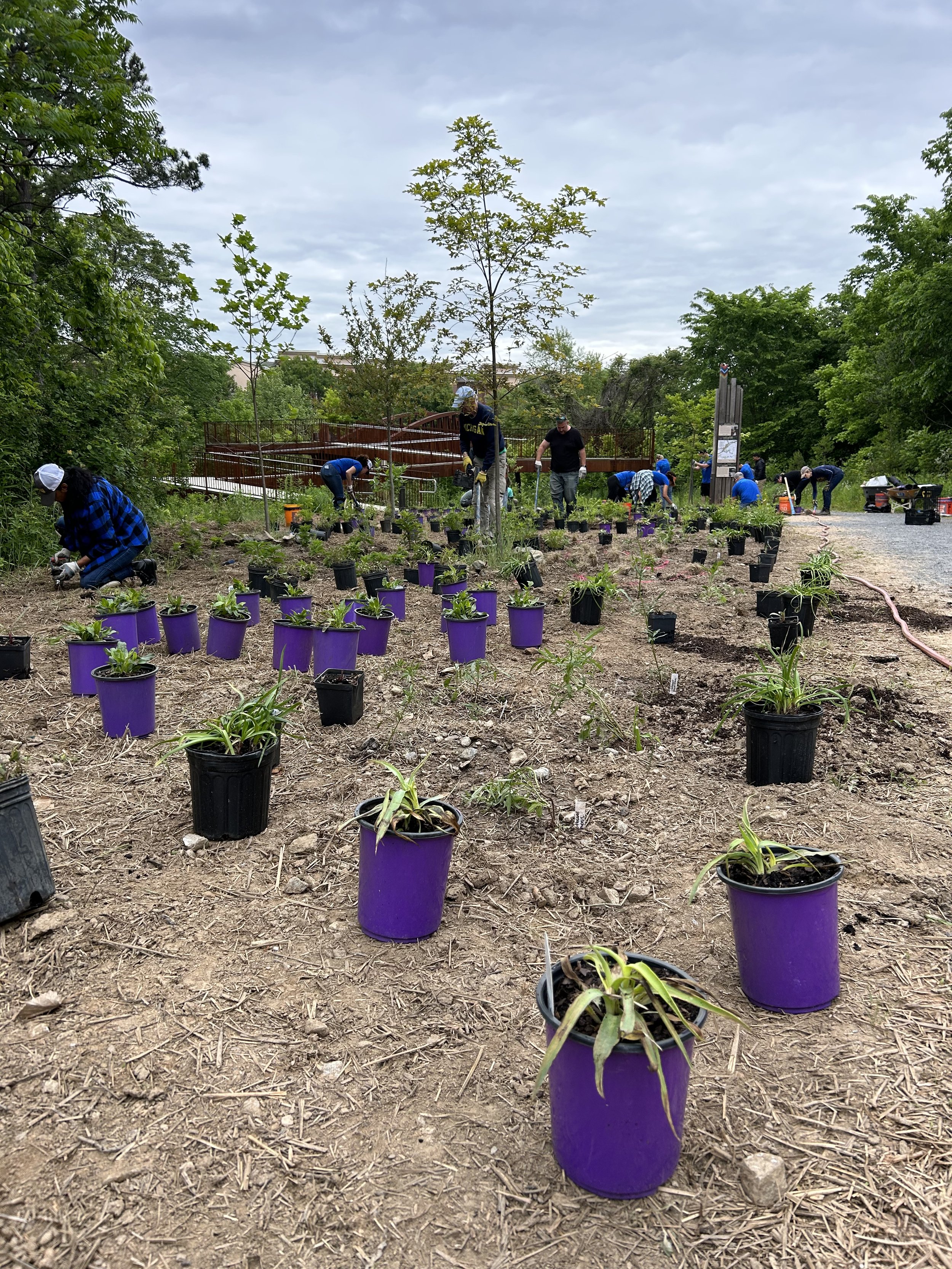
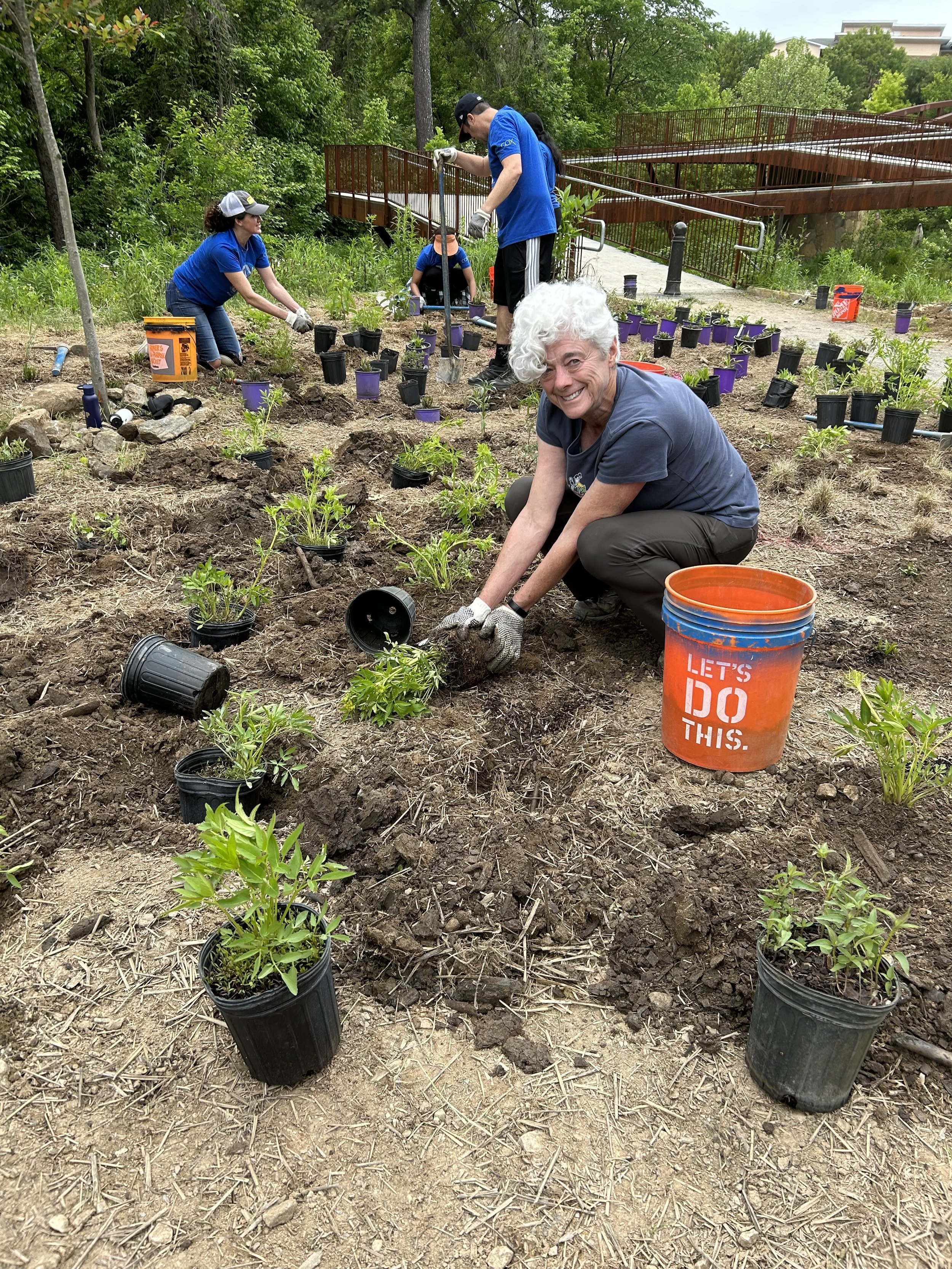
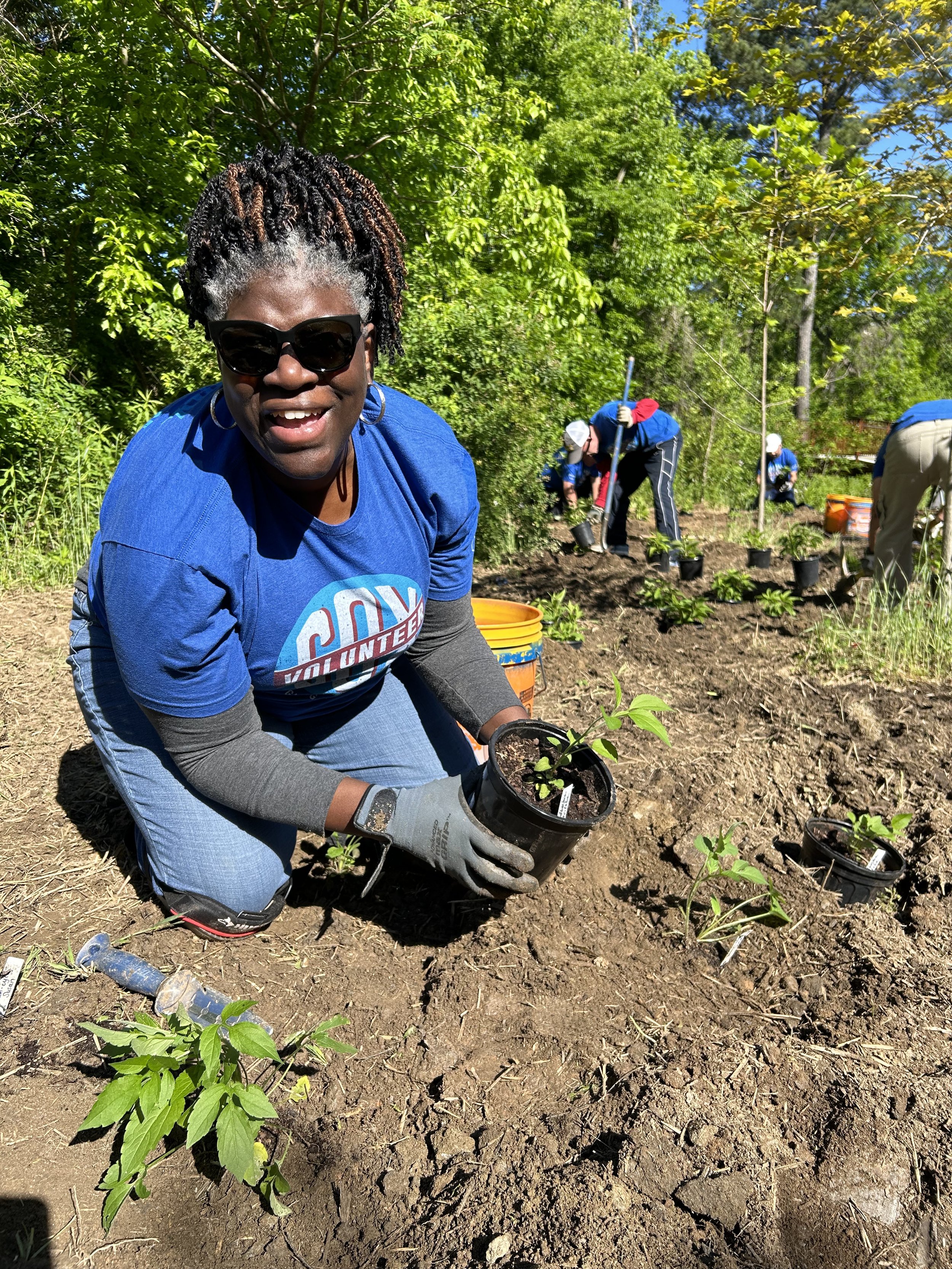
Three dozen volunteers from Cox Enterprises were waiting to get the plants into the ground at the foot of the Confluence Bridge at Adina Drive.

The Peachtree Garden Club’s donation, matched by Park Pride, was invested in an experiment: using native plants to show landscaping that’s good for birds, bugs, bees, and all of us. 
 
But no. The truck was late. I shuddered to think of all the things that could go wrong with precious dollars, living plants, and volunteers. 
 
In the scramble to reschedule, I rehearsed the lessons we learned from the Atlanta History Center’s gorgeous example along the sidewalk on West Paces Ferry. Find hardscrabble native plants to go in the miserable dirt. Plant them so close together they’ll crowd out most weeds. And make sure they bloom and offer nectar all season long. Our plan included 15 kinds of plants, 1200 in all, in a design created by landscape architect Nicole Day to make the most of the views of the trails and creeks. 
 
But 1200 individual plants? This would be the largest planting ever undertaken by the South Fork Conservancy. Over a thousand purple pots meant a thousand holes chopped out of the ground, through rock and soil compacted by decades of sewer lines and highway construction.
 
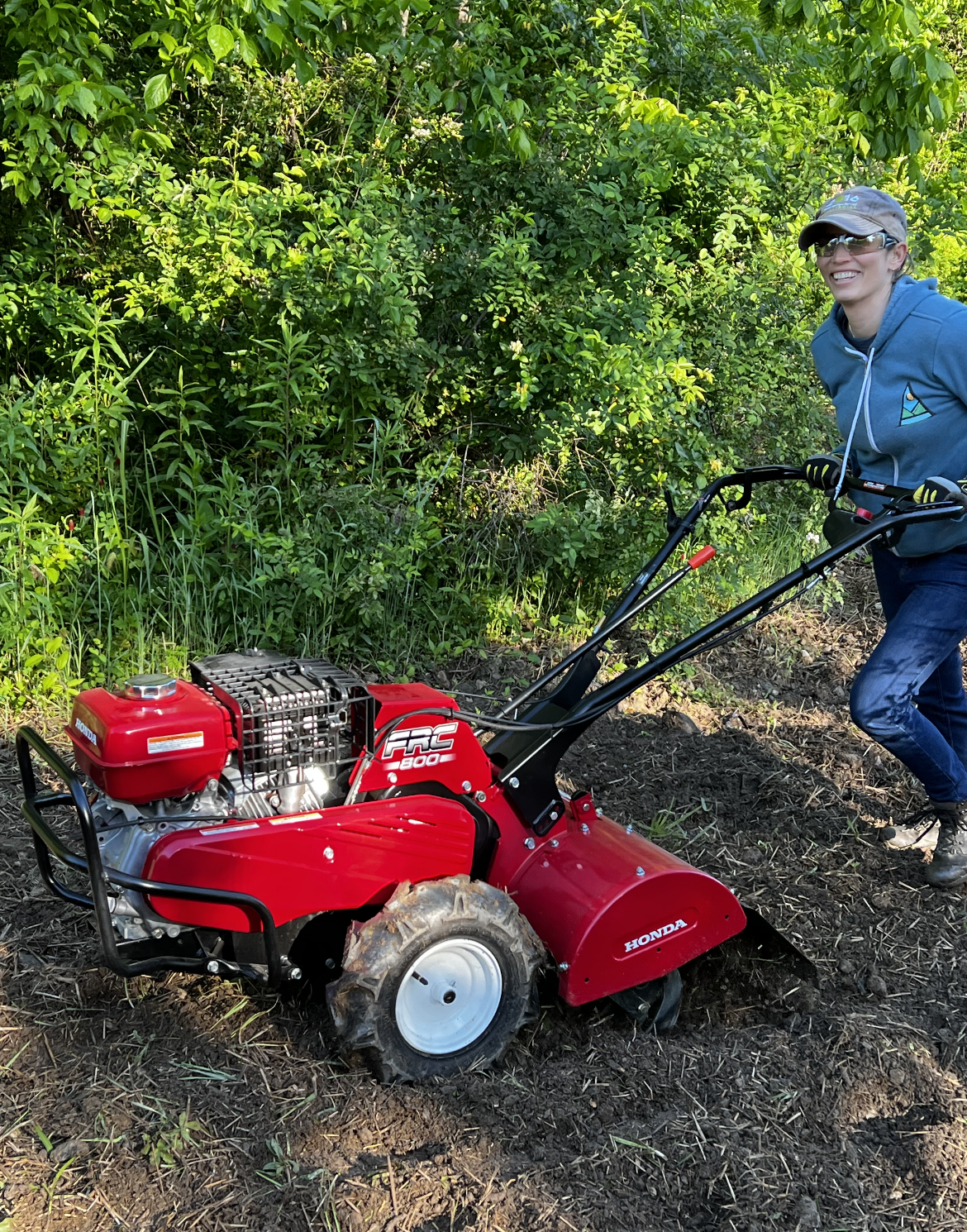
When the Cox volunteers started in with pickaxes and a rototiller, I shook my head. How could we ever get all the babies off the truck and into holes in the ground? The first day we finished only about a third of the job.
 
But Cox volunteers are flexible, fearless, and up for a challenge. More volunteers showed up on the second day.  More pickaxes! More holes! More snacks of doughnut holes! More jokes! “Yes, plant them green side up.” “Yes, remember to take the plants out of the pots.”

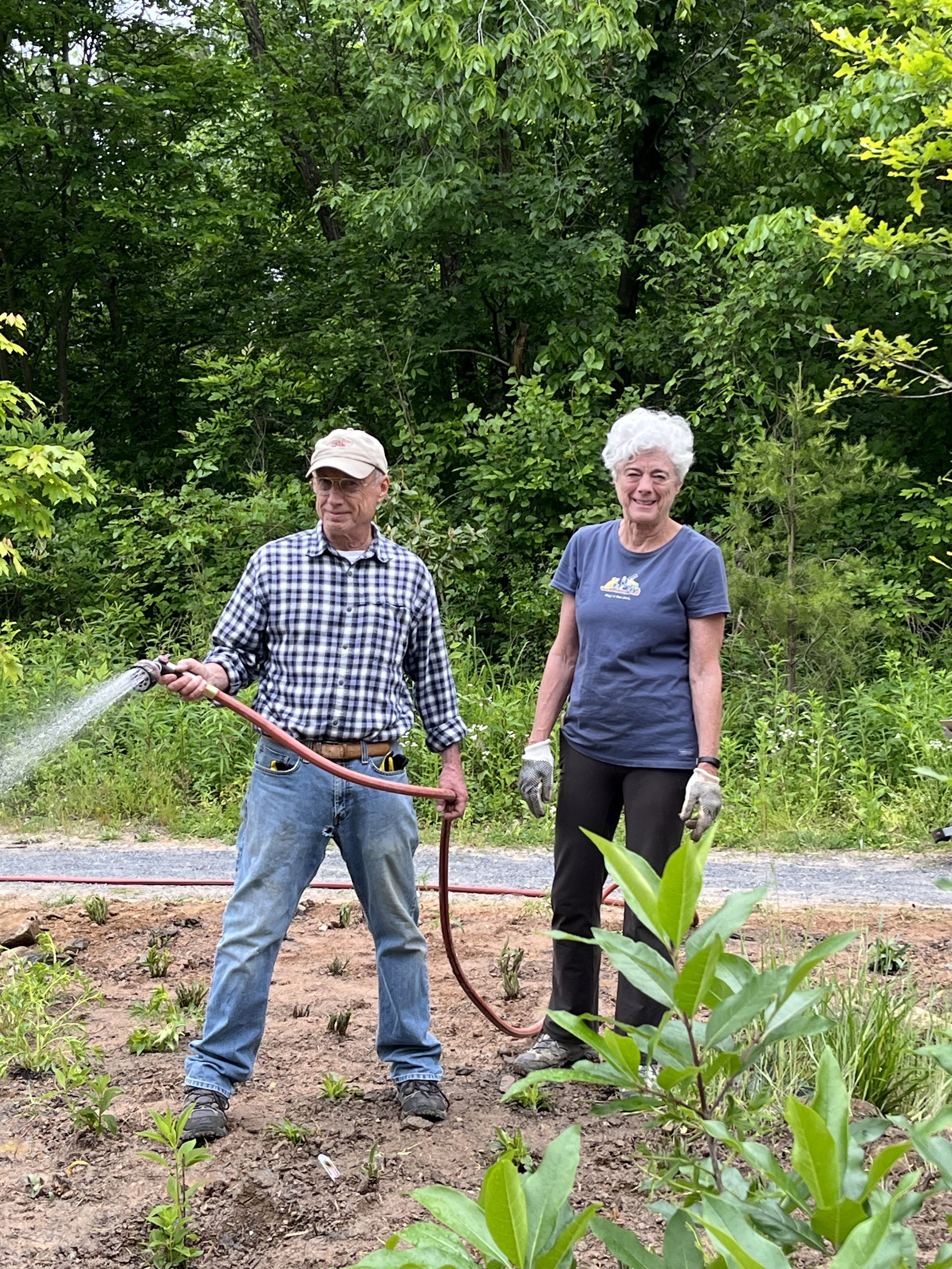
Executive Director Kimberly Estep rallied the volunteers and took her turn at wrestling with the rototiller. By the end of the second day, South Fork board member Dave Butler hooked up a pump from the Atlanta ToolBank to water the plants. Board members Mary Leight and Dorothy Sussman packed up empty purple pots to return to a native-plant nursery, and Patrick Dean put guard tape around a trail border.

Now we get to share the new landscape with the whole city. Come and take a good look.